



Nextek DC Microgrid
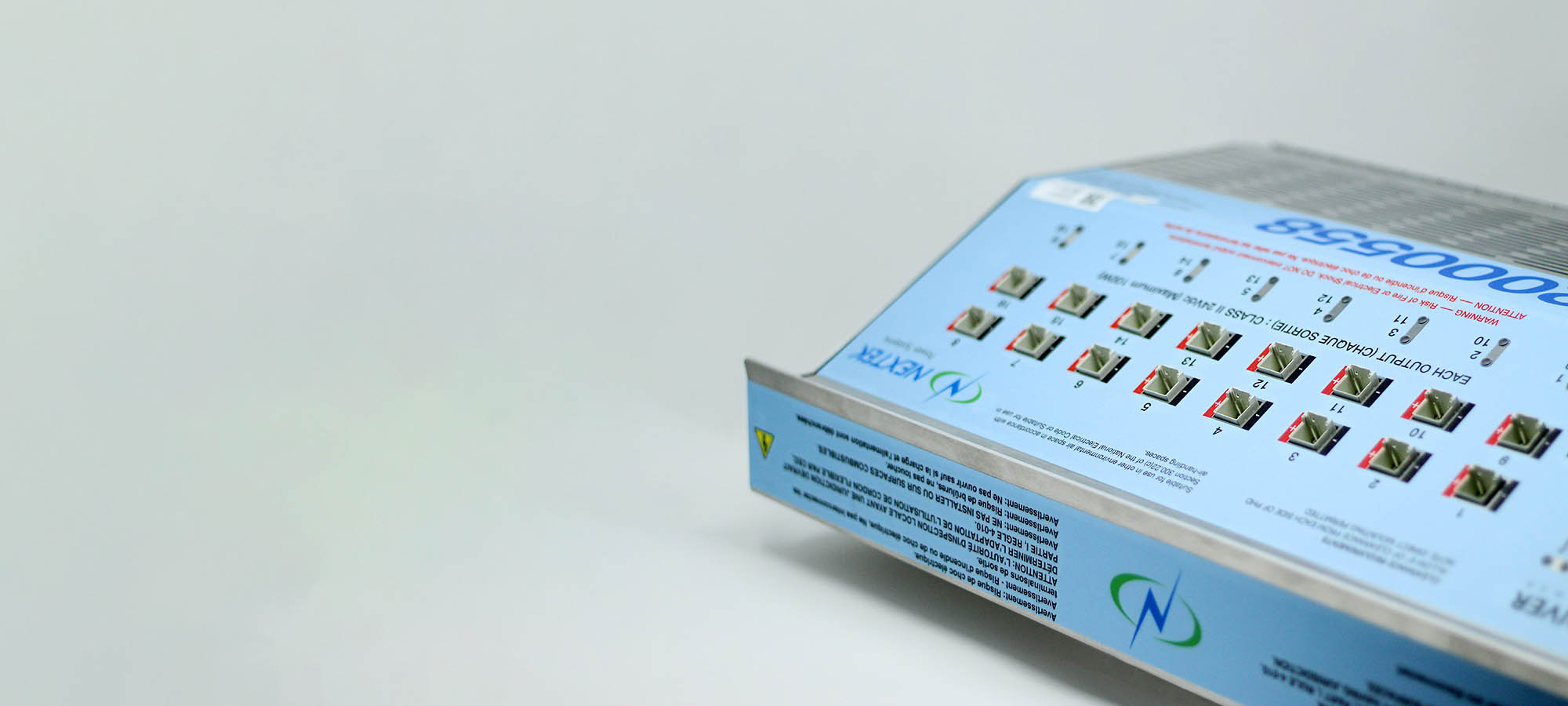
Nextek's line of Power Hub Drivers (PHDs) are used as the centralized source of highly efficient DC power that is then simply distributed to the appropriate DC lighting loads. By incorporating DC Microgrid technology, the use of expensive energy becomes signifcantly improved while simultaneously eliminating the multiple assorted smaller power supplies that ultimately end up in landfills. The bulk of the installation consists of distributing safe-to-the touch Class II wiring and devices. This work can be performed by less expensive field personnel. With the increased ease and speed of a DC installation, combined with use of less expensive labor, the savings associated with installation of Nextek's DC solution is significant.
Amatis Controls
AC-based control systems have become sophisticated and typically rely on the use of CAT5 Ethernet communication wiring, power pack relay units and remote control panelboard contactors to faciliate control needs as mandated by ASHRAE 90.1, California Title 24, energy codes and energy sensitive building owners. Amatis Controls offers an alternate, highly robust and cost effective integrated wireless control system option uniquely available for the Nextek PHD based DC system architecture. The Amatis Controls wireless system allows any web enabled device (phone, tablet, computer) to become a lighting system controller. The system utilizes wireless mesh network technology that enables programmed control devices to communicate between and with one another. This architecture offers extreme flexibility and an unmatched level of granular control of a lighting system at typically 50% of the installed cost of a comparable AC system.
Fixtures
To operate with the Nextek PHD 24VDC power architecture, LED fixtures can be provided either with or without LED Drivers. For the unique driverless fixtures, the Nextek PHD units act as the LED driver and can provide steady state - or - PWM (dimming) power directly to LED chipsets within LED fixtures. This unique driveless architecture provides improved reliability, industry-leading energy performance and virtually eliminates service maintenance normally needed with AC powered LED fixtures. Nextek collaborates with fixture partners who can provide driverless LED fixtures in a wide variety of types, shapes, sizes and performance characteristics. In some cases, converting the AC powered LED fixture to a DC powered fixture may involve simply removing (or not including) the AC/DC drivers. Nextek can assist in determining if this option is viable.

We partner with Amatis Controls for smart controls, a DLC-listed system that qualifies for top-tier utility incentives.